Leonardo da Vinci’s Descendants: What the DNA Project Has Found
The Leonardo da Vinci DNA Project is an ongoing scientific effort to find out whether skeletal remains at Amboise Castle belong to Leonardo da Vinci. This page covers how the project works, including its two main approaches: pulling genetic material from objects Leonardo handled, and tracing his paternal lineage to find living relatives who can provide a DNA reference. By the end, you’ll have a clear picture of the methods and where the research stands right now.
What the DNA Project Has Confirmed — and What It Hasn’t
The clearest result so far is a confirmed Y chromosome profile across a group of living male-line descendants. Researchers got there by tracing Leonardo’s paternal lineage across roughly 35 generations using archival genealogical records. That profile gives the project a verified genetic baseline, a reference sample to compare other DNA against.
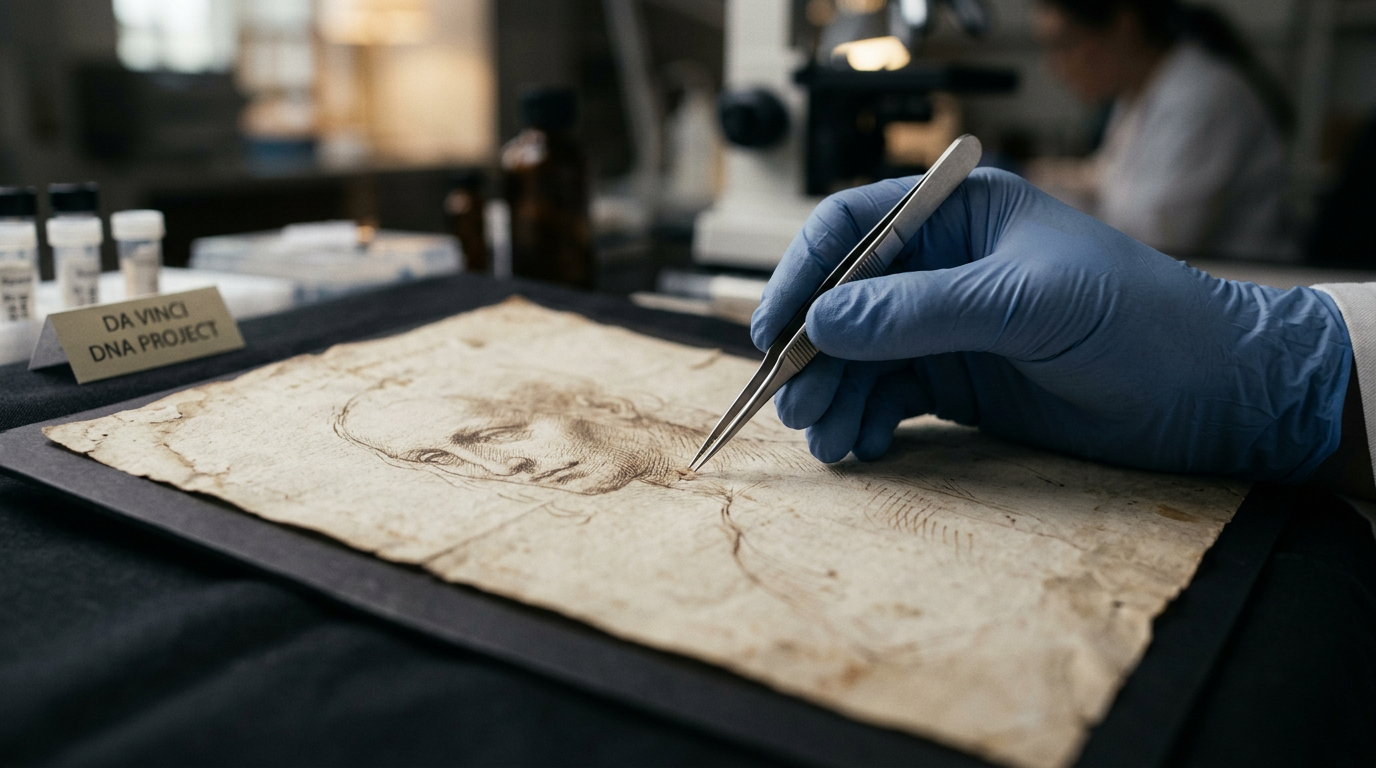
The second track involves DNA pulled from artifacts, specifically drawings that Leonardo is documented to have handled. That material includes Y chromosome data that could potentially be his, but that hasn’t been confirmed. Confirming it means comparing the artifact DNA against the living-descendants profile, and that step hasn’t been completed or announced yet.
Neither track alone is enough to answer the Amboise Castle question. The living-descendants profile supplies the reference. The artifact and remains work supplies the material to compare against it. Until that comparison is done, nothing from the project counts as a confirmed identification.
How the Paternal Lineage Was Traced to Living Relatives
The genealogical work behind the project took serious archival research across many generations. Researchers traced Leonardo’s paternal line forward and backward through documented family records, identifying living male-line relatives who share a common paternal ancestor with him. That lineage chain, spanning roughly 35 generations, is what made the DNA project workable in the first place. Without it, there would be no verified reference sample to compare against DNA from artifacts or remains.
The confirmed Y chromosome profile across those living relatives shows the paternal line was traced accurately. It doesn’t confirm Leonardo’s individual identity on its own. What it confirms is that a usable reference now exists. For a fuller account of the evidence the project has assembled and the researchers behind it, see this detailed breakdown of the Leonardo da Vinci DNA Project’s findings and methodology.
The Asymmetry Between the Project’s Two Evidentiary Tracks
The two tracks are not at the same stage. The living-descendants work has produced a confirmed genetic profile backed by archival records. The artifact and remains work is still working toward a match against that profile. DNA pulled from objects Leonardo handled can’t be attributed to him without a verified reference sample, which is exactly what the living-descendants data provides. But the comparison itself hasn’t been completed.
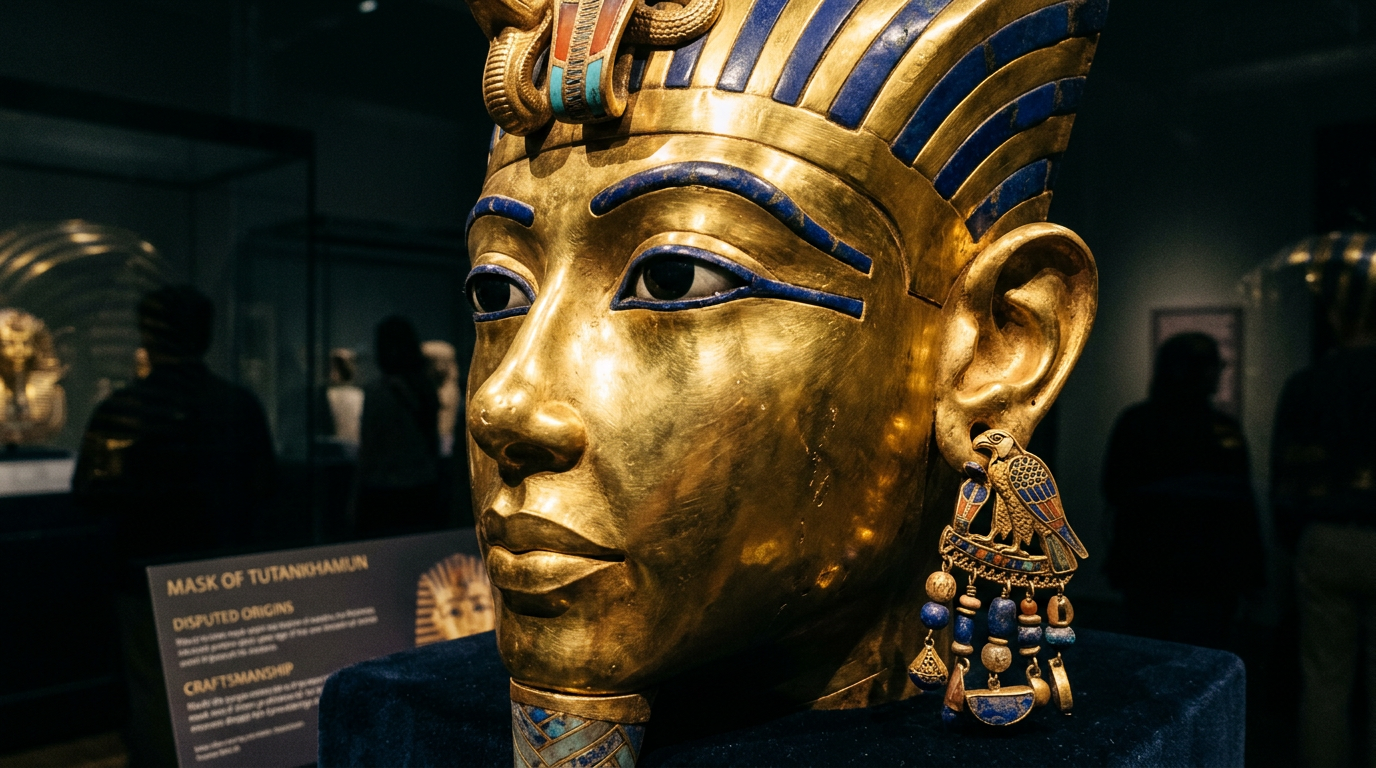
That gap between the two tracks is the most important thing to understand about where the project stands right now. The genealogical and genetic baseline exists. The identification of the Amboise Castle remains, and the attribution of artifact DNA to Leonardo specifically, are still open questions. This kind of challenge — where physical evidence and identity attribution remain unresolved despite significant scientific investment — has parallels in other historical identification efforts, such as the ongoing debate over the origins and true ownership of Tutankhamun’s golden mask.
Where the Amboise Castle Remains Identification Stands
The project’s central goal is to find out whether the skeletal remains at Amboise Castle, long believed to be Leonardo’s, can be genetically confirmed as his. A confirmed match between those remains and the living-descendants Y chromosome profile would be the first verified physical identification of Leonardo’s body. That match has not been established. All findings to date are preliminary, and the remains identification question is unresolved.
What has been established is genuinely significant. A confirmed Y chromosome profile across living male-line descendants gives researchers a reliable genetic baseline that simply didn’t exist before. Whether the Amboise remains or artifact DNA ultimately match that profile will determine how much further the science can go. That answer isn’t public yet, so following the project’s official findings directly is your best next step.