The UAE’s rise as a regional power comes down to two connected strategies: a foreign and security policy that kept evolving, and an economic diversification plan that turned financial strength into geopolitical influence. This article covers how both strategies developed over five decades and how they still shape the UAE’s role in the region today. It walks through the decisions, shifts, and tools that define where the UAE stands now, and by the end, you’ll have a clear picture of how it built that influence and what drives its behavior as a regional actor.
The 1971 Federation Founding as Structural Precondition
The UAE’s rise as a regional actor started with a structural opening, not a policy choice. The 1971 union of seven emirates created a single sovereign platform at exactly the moment Britain pulled out of its Gulf security role, leaving a vacuum that the new federation’s leadership would spend the next several decades filling. That founding moment was a necessary condition for everything that followed. Without a unified sovereign state, the tools that came later, including military modernization, sovereign wealth deployment, and diplomatic positioning, had no platform to operate from. But the opening itself didn’t determine the outcome. Other Gulf states faced similar conditions. What set the UAE apart was what its leadership chose to build on that foundation.
How Oil Revenues, Military Modernization, and Alliance-Building Compounded Over Time
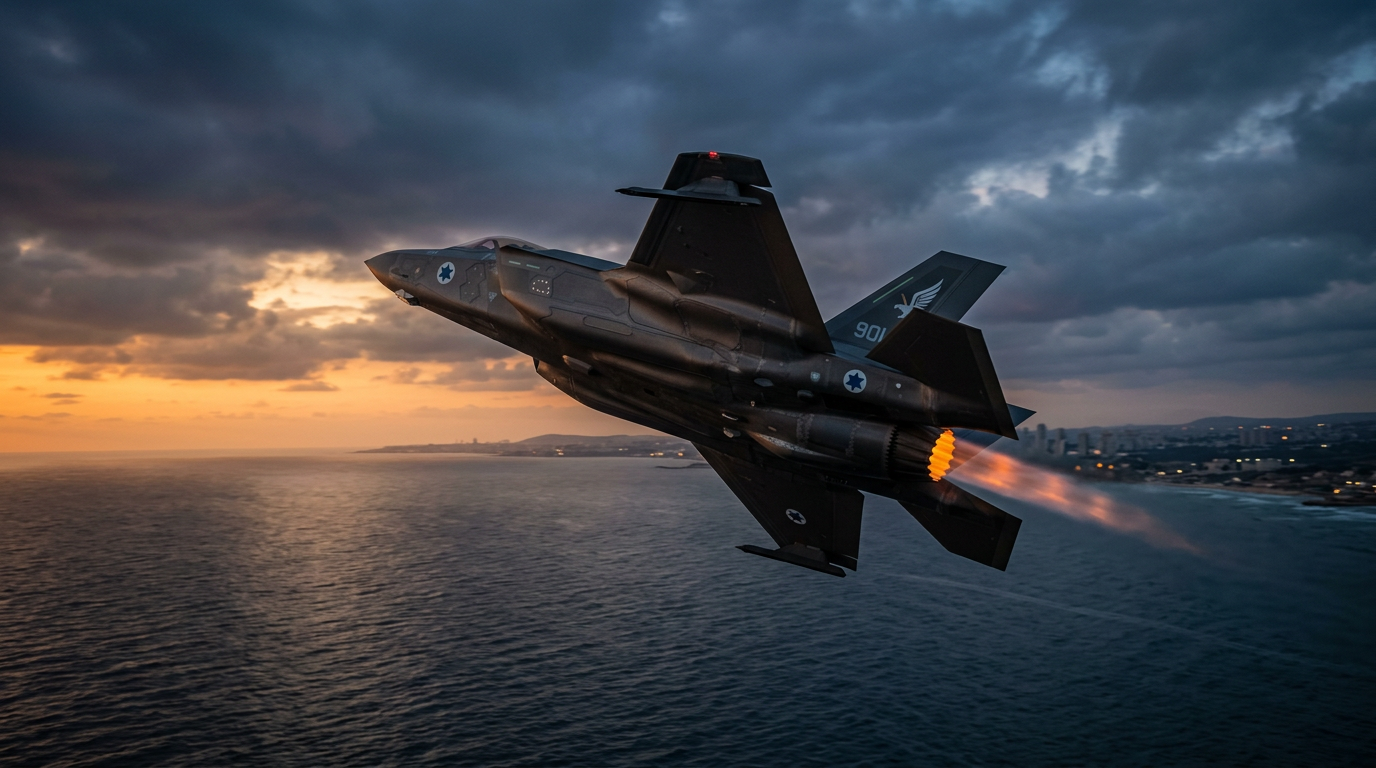
Abu Dhabi’s leadership made a deliberate choice to treat early oil wealth as a starting point, not a destination. They directed capital into institutions, infrastructure, and sovereign investment vehicles built to outlast the oil era. That investment funded the security commitments that gave the UAE credibility as a regional actor. Participation in the Gulf War coalition in 1991, post-9/11 counterterrorism cooperation, and direct military involvement in Libya and Yemen showed the UAE was willing to project force. Passive Gulf states couldn’t claim the same.
The US-UAE relationship was central to this phase. Access to advanced American military systems and basing arrangements gave the UAE hard security credibility it couldn’t have built on its own. The relationship worked less like a dependency and more like a mutual amplification. The UAE’s geographic position and political stability made it a valued partner the US was willing to invest in, while US military access and hardware multiplied the UAE’s regional weight well beyond what its size and population would otherwise support.
Economic Diversification and Capital Deployment as Foreign Policy Instruments
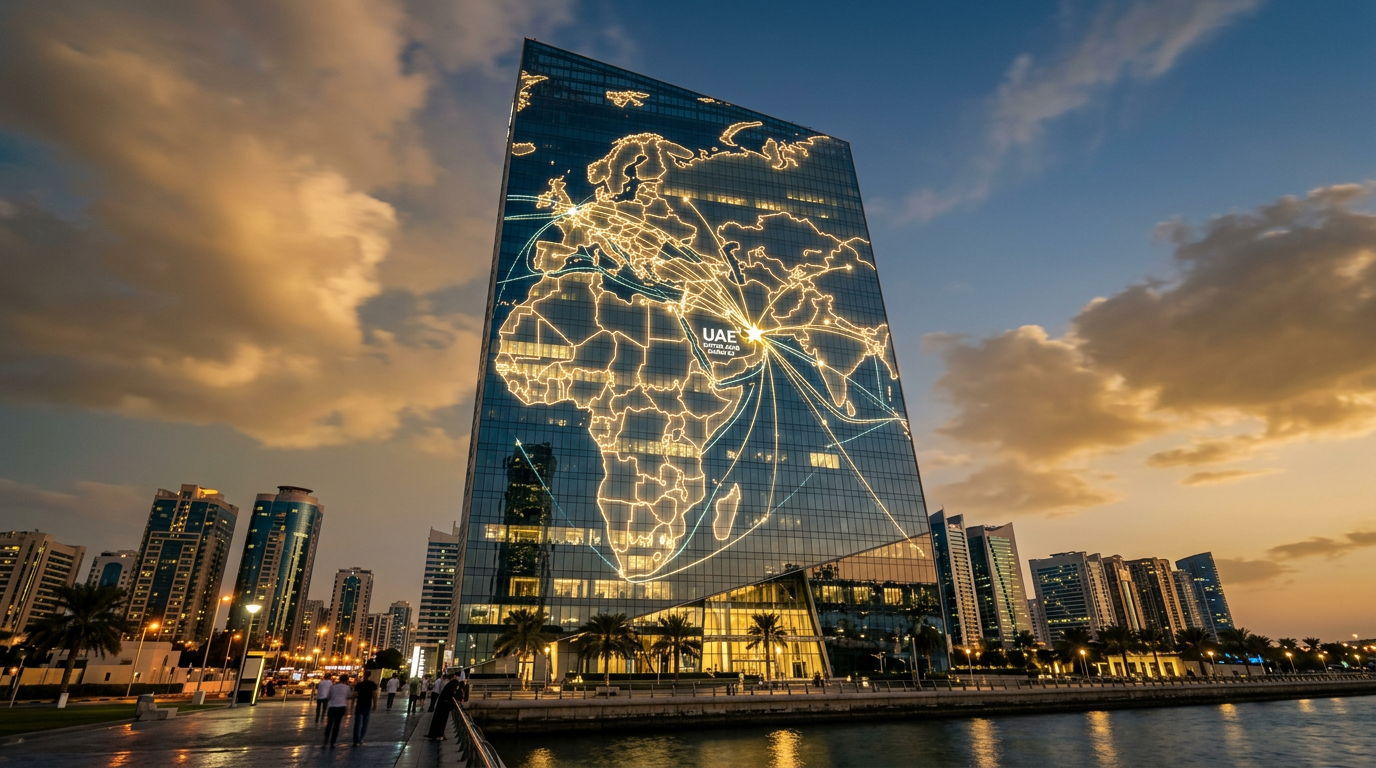
As security commitments built credibility, economic diversification extended the UAE’s reach into areas where military tools had no purchase. Dubai’s rise as a global trade and finance hub, combined with Abu Dhabi’s sovereign wealth funds, ADIA and Mubadala, gave the UAE economic presence across sub-Saharan Africa, South Asia, and the broader Middle East. That presence operated independently of security relationships. Sovereign wealth investments in those regions opened political relationships that military partnerships alone wouldn’t have created. That’s a real advantage over Gulf neighbors whose regional influence stayed more narrowly tied to security.
Seen through this lens, diversification isn’t a domestic development story. It’s a foreign policy instrument. The economy is the UAE’s most durable source of leverage: less visible than military commitments, but active across a wider geography and less exposed to shifts in the security environment.
Statecraft, Diplomatic Positioning, and the Over-the-Horizon Shift
Running alongside both pillars is a consistent approach to statecraft: building ties with Washington, Beijing, and Moscow at the same time, mediating regional disputes, and hosting international institutions that reinforced the UAE’s image as a stable, neutral hub. This diplomatic positioning let the UAE operate in multilateral settings well beyond what its size would otherwise allow, and it has become more central as the UAE’s posture has shifted.
The current phase marks a deliberate move away from direct military involvement. Where the UAE once deployed forces in Yemen and Libya, the present model relies on economic leverage, proxy relationships, and diplomatic positioning. The trade-off is less operational exposure in exchange for more staying power. This over-the-horizon posture isn’t a continuation of the earlier direct-involvement phase. It’s a calculated shift toward influence mechanisms that are harder to attribute and more durable over time.
Why the Two-Pillar Account Matters
A common analytical mistake is to treat the UAE as either a petro-state that bought influence or a security partner that earned it. Neither framing is enough. Without oil-funded diversification, the UAE lacked the financial tools to project influence beyond security relationships. Without active security commitments, it lacked the credibility to attract the partnerships that amplified its economic reach. The real mechanism is the compounding interaction between capital deployment and strategic positioning, each reinforcing the other across successive phases of development.
The UAE’s Regional Power Trajectory: What the Record Shows
Oil revenues funded security, security built credibility, and credibility amplified economic reach. Each decade compounded the last. What makes the UAE’s trajectory distinctive isn’t the resources it started with. It’s how deliberately it converted a structural opening into durable influence. That compounding logic is still active, which makes the UAE’s next moves worth watching closely. Explore our regional power analysis to stay ahead of how that balance shifts.