Why Is Israel So Powerful: Military Strength, Tech Innovation, and Global Influence
Israel’s power comes down to three things working together: military strength, technological innovation, and strategic alliances built over decades. It’s a small country with few natural resources, but it has built serious capabilities in defense, intelligence, and high-tech industries that give it influence far beyond what its size would suggest. This article covers the main factors behind that power, including its military structure, its role in global technology, and its diplomatic relationships. By the end, you’ll have a clear picture of how Israel built this position and what keeps it going.
The Pillars of Israeli Power: Military, Intelligence, and Human Capital
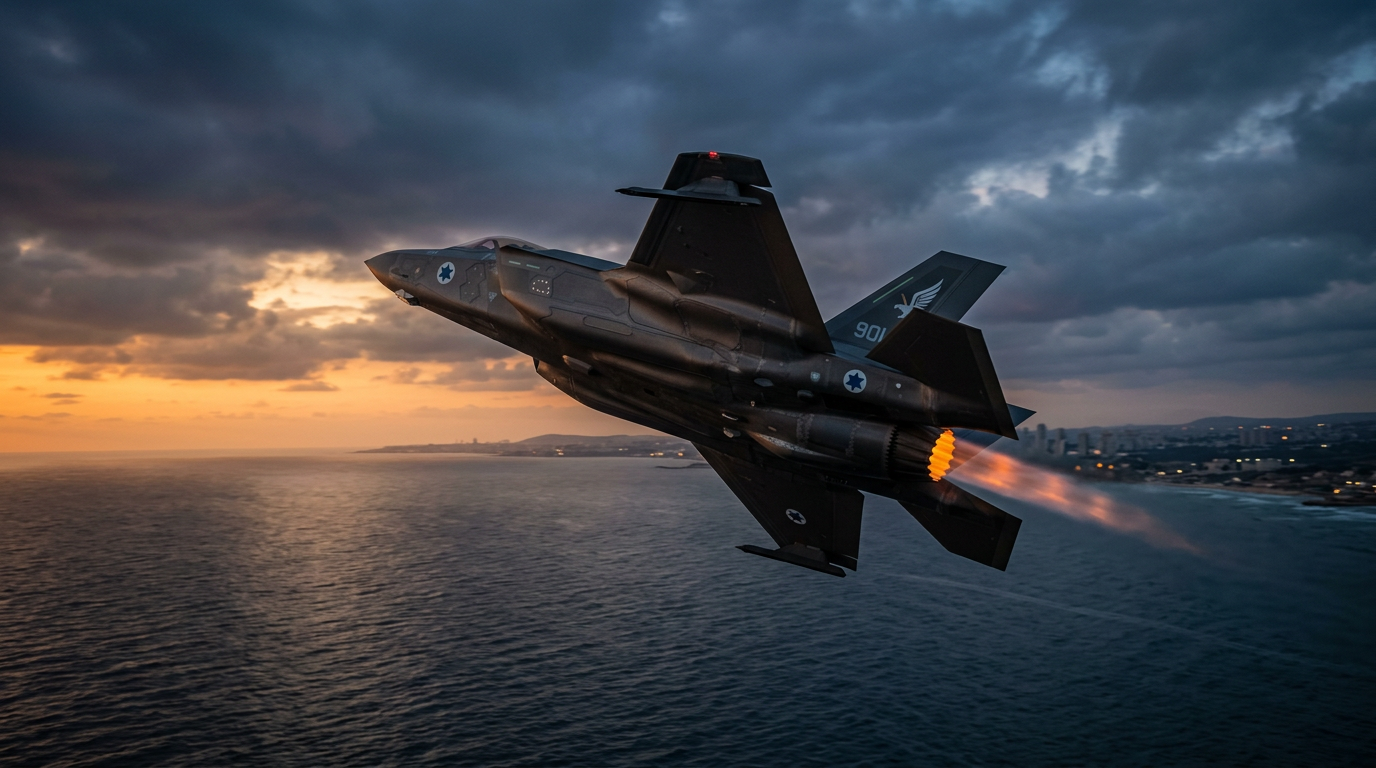
Israel’s military is one of the most battle-tested in the world. It was built out of necessity after 1948 and has been sharpened through decades of active conflict and intelligence work. From the beginning, Israel had no room for failure, and that reality shaped everything. Agencies like Mossad and Shin Bet operate globally and have built a track record that allied nations pay close attention to, which creates real leverage and opens doors to partnerships that translate into geopolitical influence.
Both the military and intelligence apparatus run on universal conscription. Mandatory military service creates a steady pipeline of technically trained people who flow into both the defense sector and the civilian economy. Elite units like Unit 8200 feed directly into the tech industry, so the military and the innovation economy aren’t separate worlds. They share people, culture, and institutional knowledge.
How the Tech Sector and Startup Ecosystem Extend Israel’s Reach
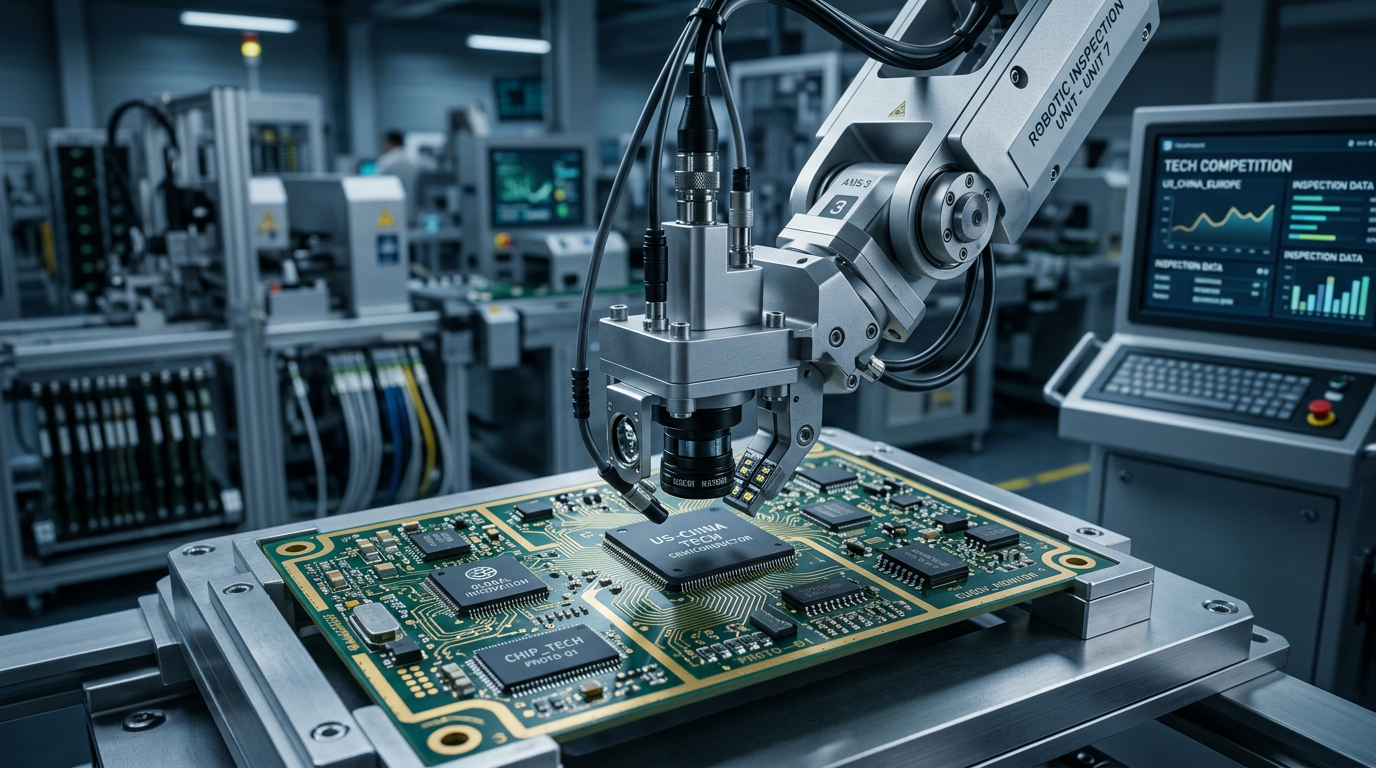
Israel ranks near the top globally in R&D spending as a share of GDP and has one of the highest concentrations of startups per capita anywhere in the world. Foreign investment pours in, especially into cybersecurity and enterprise software, a trend that took off sharply in the 1990s. This innovation economy extends Israel’s influence through commercial relationships and foreign capital, reaching institutions and audiences that the defense establishment doesn’t touch. That makes it a distinct and complementary source of global reach.
These two layers of power have different origins. Military capacity and intelligence infrastructure grew out of post-1948 survival needs. The tech sector and venture capital ecosystem came much later. They reinforce each other, but they developed along separate paths and are worth understanding on their own terms.
How U.S. Alliances and Diplomatic Relationships Amplify Both
Strategic partnerships with the US and key European powers give Israel military aid, intelligence-sharing arrangements, and diplomatic support in international institutions. These alliances extend Israel’s reach well beyond what its own capabilities alone would allow. They depend on the credibility that military and economic strength provide, but they work through a different mechanism: negotiation, institutional access, and political relationships rather than direct capability.
Israel’s shift from a regional security actor to a globally influential state ran through these alliances. The US in particular was the connective thread that turned regional military credibility into global reach. Diplomatic milestones like the Abraham Accords continue to reshape Israel’s strategic position. For a closer look at how Israel’s military power and regional alliances have evolved in the Middle East, including the strategic fallout from October 7, that context is essential for understanding where things stand today.
Why Military and Economic Power Must Be Treated Together
Treating military strength and economic output as competing explanations misses the point. Serious analyses of Israel’s power consistently treat them as causes that work together. At its core, Israel’s power is about substituting capability-building for the geographic scale and natural resources it doesn’t have. That substitution happened across military, economic, and diplomatic dimensions at the same time, not one after another. A useful parallel can be found in how the UAE built regional power by combining an active security policy with economic diversification — a different path to influence, but one that similarly treats military and economic development as inseparable.
What Drives Israel’s Global Influence: Three Factors Working Together
Military credibility, a strong innovation economy, and US-led diplomatic alliances don’t just coexist. They compound each other. What’s easy to miss is that each factor emerged as a direct response to constraint: limited land, scarce resources, and a hostile neighborhood. That pressure, channeled strategically over decades, is the real story. If you want to understand how these dynamics play out today, how grand strategy works when states must align long-term goals with limited resources is a natural place to look next.