US-China Technology Competition: Where Does Europe Fit?
The US-China tech race is usually framed as a two-way contest, but Europe plays a real and distinct role in it. This page breaks down where the US, China, and Europe each lead or fall behind across semiconductors, artificial intelligence, and critical materials, and explains why those gaps are hard to close. By the end, you’ll have a clearer picture of how each player fits into the broader tech competition and where the most significant pressure points are.
Why a Bilateral US-China Lens Distorts the Picture
The standard two-actor frame produces three specific analytical errors. First, it treats regulatory influence as a proxy for competitive strength, but in Europe’s case, the two are structurally separate. The EU can set binding global standards on AI, data, and platform governance without leading in R&D or manufacturing. Second, it treats Europe as a natural US ally whose support for Washington is only held back by politics. In reality, the EU’s strategic autonomy agenda reflects a deliberate effort to avoid subordinating European tech policy to Washington’s priorities. That’s a structural constraint, not a temporary one. Third, collapsing the US and EU into a single “Western” bloc hides China’s genuine advantages. China’s state-directed investment model produces durable leads in capital-intensive sectors that neither US private-sector innovation nor EU industrial policy can match on the same timeline.
How Competitive Positions Actually Break Down Across the Three Actors
The EU leads on hard-law technology governance and falls behind both the US and China in semiconductor manufacturing, AI model development, and critical materials processing. That gap, regulatory leadership without industrial leadership, defines Europe’s position more precisely than any aggregate ranking. Where the EU’s hard-law approach creates real influence, it does so by raising the cost of market access, not by competing on R&D or production capacity. That concentrates European influence at the governance layer rather than the innovation or manufacturing layer.
The US leads in private-sector AI and biotech innovation but faces a coordination problem with European partners that China doesn’t face internally. Washington can move faster on domestic tech deployment, but getting on the same page with the EU on export controls, data governance, or supply chain standards means navigating regulatory frameworks built on very different foundations.
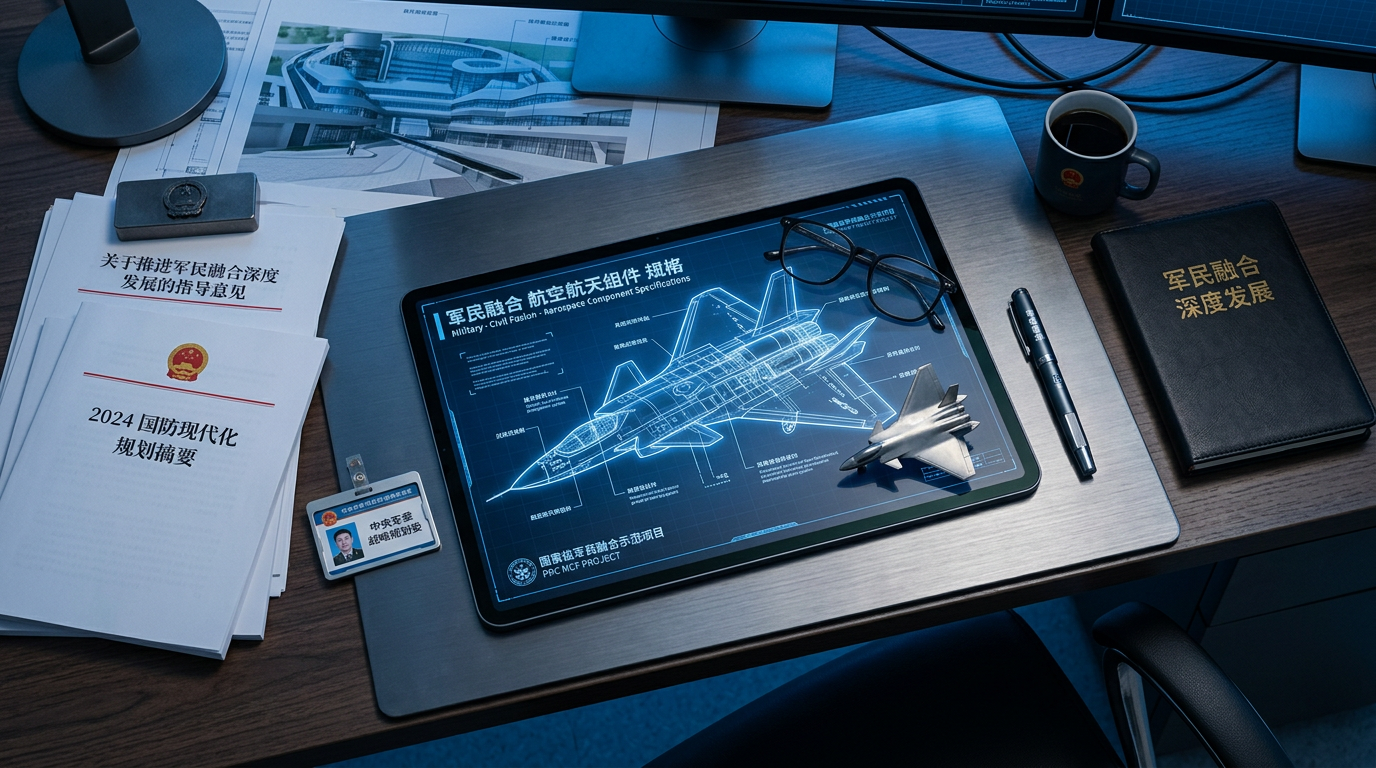
China’s leads in critical minerals, battery supply chains, and certain advanced manufacturing sectors reflect structural investment decisions made over decades. Understanding how China’s military-civil fusion strategy connects civilian technology to defense priorities helps explain why those leads are so difficult for market-driven competitors to close. Market competition alone won’t close those gaps.
Sector-Specific Positions in Biotech and Trade
Biotech competition has its own character. China’s ability to run large-scale clinical trials and its national genomic data resources give it structural advantages that are hard to replicate quickly. The US maintains a lead in foundational research and private-sector biotech investment, but that lead faces ongoing erosion. Europe’s position in biotech is stronger than in semiconductors or AI hardware, but it remains a secondary player: present, but not shaping the outcome.
On trade, China’s market access restrictions, technology transfer requirements, and state subsidies create structural barriers for both US and European tech companies, but the two respond differently. US firms operate within a broader geopolitical confrontation that has produced export controls and investment screening on both sides. European firms face similar barriers but under a different strategic calculus. The EU has deeper trade exposure to China and has been slower to adopt hard decoupling measures. The sharpest divergence between the US and EU is in how aggressively each is willing to use trade policy as a tech competition tool.
Where This Triangular Analysis Applies
This framing is most useful when assessing the geopolitical stakes of the US-China technology race and where European interests sit within it; evaluating whether the EU’s regulatory approach translates into durable competitive influence; analyzing sector-specific positioning across semiconductors, AI, biotechnology, and critical materials; and determining whether meaningful US-Europe coordination against China’s technological rise is structurally viable or constrained by divergent interests and regulatory frameworks. For a deeper look at how the infrastructure layer of this competition plays out, the US-China rivalry over 5G infrastructure and technical standards illustrates how control over foundational technology becomes a geopolitical battleground.
Assessing Europe’s Position Requires Separating Regulatory Power from Industrial Capacity
The variables worth tracking are the layer at which each actor competes (governance, innovation, or manufacturing) and whether the gaps between them are structural or closeable through policy. China’s leads in critical minerals and battery supply chains are structural. The EU’s regulatory influence is real but concentrated at the governance layer. And US-EU coordination, while possible on specific issues like export controls and investment screening, will stay selective and friction-prone rather than comprehensive. Start any sector-specific analysis by identifying which layer of competition matters most in that domain, then map each actor’s actual position at that layer rather than relying on aggregate rankings.
Frequently Asked Questions
Is the EU a meaningful competitor in the US-China tech race, or primarily a regulatory actor?
The EU wields substantial regulatory influence. Its hard-law frameworks shape global technology governance in ways that neither the US nor China can easily ignore. But in critical areas like semiconductors, AI model development, and critical materials, it falls behind both rivals in industrial capacity and R&D output. Regulatory power and competitive strength are structurally separate in Europe’s case, which is what makes its position in this race analytically distinct.
Can the US and Europe coordinate effectively against China’s technological rise?
Coordination is possible in specific areas: export controls, investment screening, and some supply chain work. But it’s structurally constrained by the EU’s strategic autonomy agenda and by regulatory frameworks built on different foundations than the US model. Full alignment isn’t likely, but neither is complete divergence. The more realistic expectation is selective, issue-by-issue coordination with persistent friction at the edges.
Where does China hold a genuine lead over both the US and Europe?
China holds durable leads in critical minerals processing, battery supply chain integration, and certain advanced manufacturing sectors, where decades of state-directed investment have produced scale advantages that market-driven competitors haven’t closed. For a detailed look at how China has pursued dominance in connected device infrastructure, China’s IoT strategy and its state-directed approach to global market scale shows how policy and industrial capacity reinforce each other. In some areas covered in this article, including drone technology and solar manufacturing, China’s position reflects structural depth, not just current output.
How does the EU’s hard-law approach to technology governance differ from the US model?
The EU treats governance as a competitive tool. Binding rules like the AI Act and GDPR make market access contingent on compliance. The US bets on innovation and private investment instead. Neither approach is inherently superior; they reflect different theories of how to win. If you’re navigating these regulatory environments firsthand, exploring a compliance readiness assessment could be a practical next step.