The Threat of Nuclear Weapons: Legal Status, Global Risk, and Arms Control
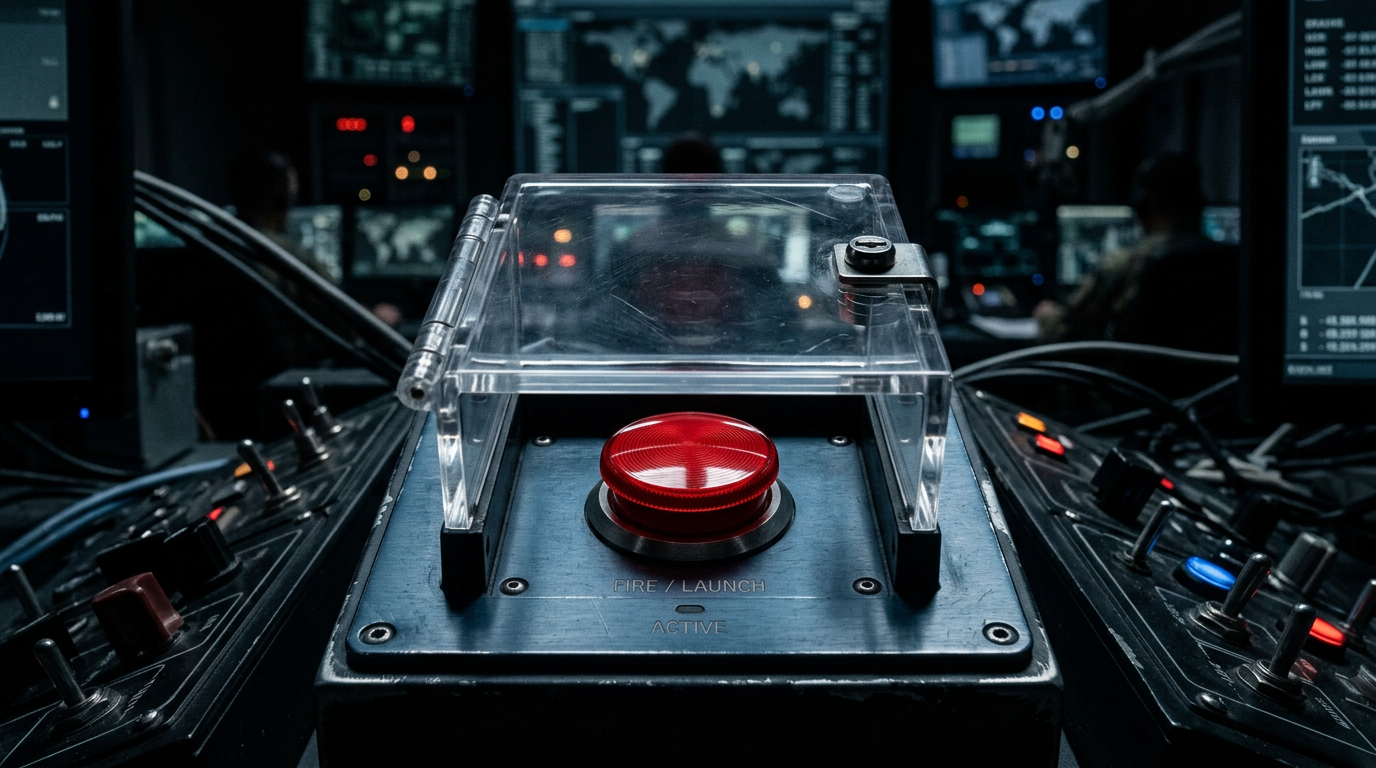
Nuclear weapons are still one of the most serious security threats the world faces. This page covers the legal status of nuclear weapons, the current state of global risk, and the frameworks that exist to control their spread and use. It draws on international law, arms control agreements, and geopolitical context to give a clear picture of where things stand. By the end, you’ll have a solid foundation for understanding how this threat is governed and what factors shape the likelihood of nuclear use or escalation.
What International Law Says About Nuclear Threats
The legality of nuclear weapons, and specifically the threat of their use, is governed by treaty obligations and international court rulings. The ICJ’s 1996 advisory opinion found that threatening or using nuclear weapons is generally contrary to international humanitarian law, but stopped short of declaring it unlawful in every circumstance. That ambiguity matters. It’s the space that states have continued to exploit.
The legal dimension tells us what international law prohibits or limits. But legal frameworks and geopolitical behavior operate on separate tracks, and the gap between them is where the real threat lives.
How State Actor Behavior Has Elevated Current Nuclear Risk
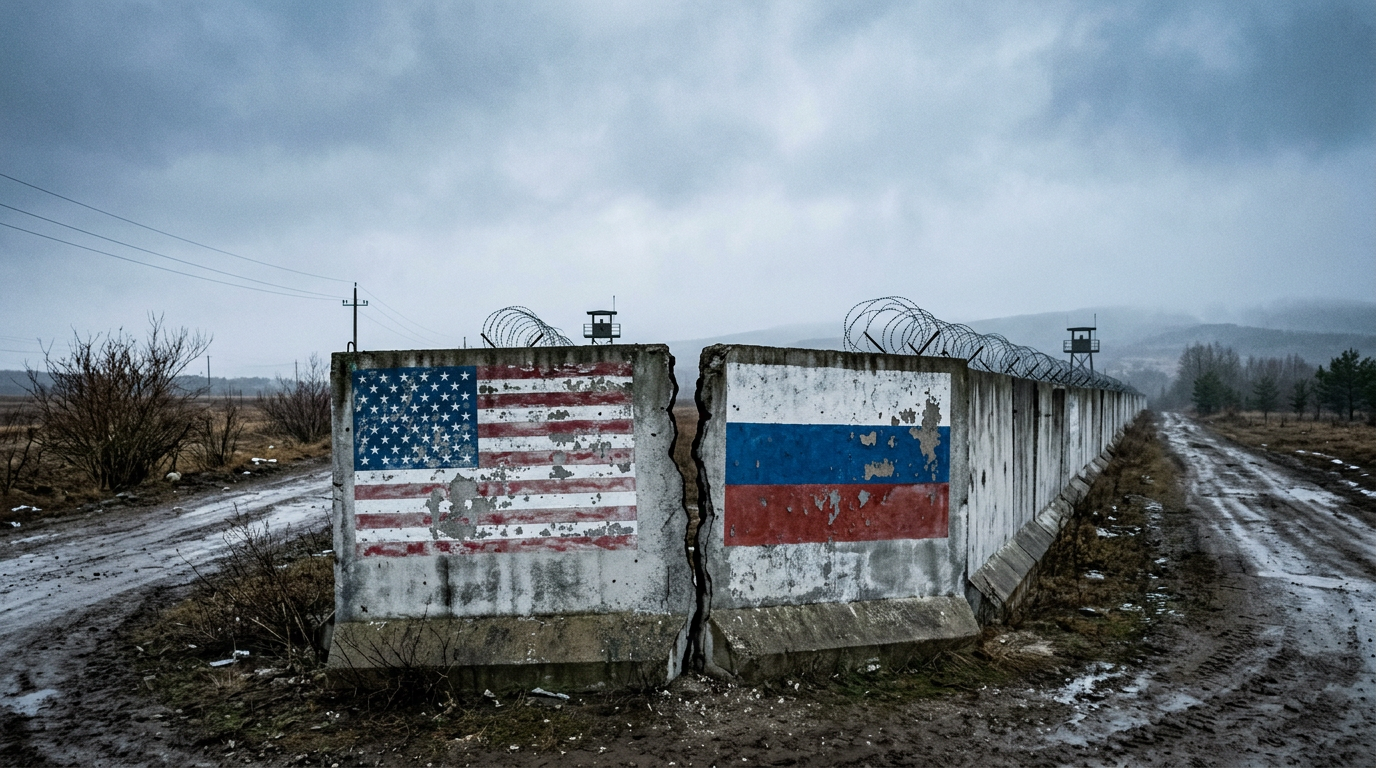
Geopolitical behavior in recent years has pushed nuclear risk beyond Cold War baselines. Russia’s explicit nuclear signaling during the Ukraine conflict is the most visible example. It’s a case where an active conflict has tested the thresholds that arms control frameworks were designed to hold. Russia’s nuclear posture has shifted in this context, and that shift isn’t just background information. It’s the current risk environment that any policy analysis or legal research has to account for. For a deeper look at how the relationship between Washington and Moscow deteriorated and what that means for nuclear agreements, see this analysis of US-Russia relations from the fall of the Soviet Union to today.
That’s why covering state actor behavior alongside treaty history matters. Treaty history explains the architecture. Current behavior reveals whether it’s holding.
Cyber Vulnerabilities in Nuclear Command, Control, and Communications
Established arms control treaties were built over decades to address state-level weapons stockpiles. Cyber vulnerabilities emerged on a faster timeline and cut across all nine nuclear-armed states at once, creating a category of risk that existing institutions haven’t caught up to yet.
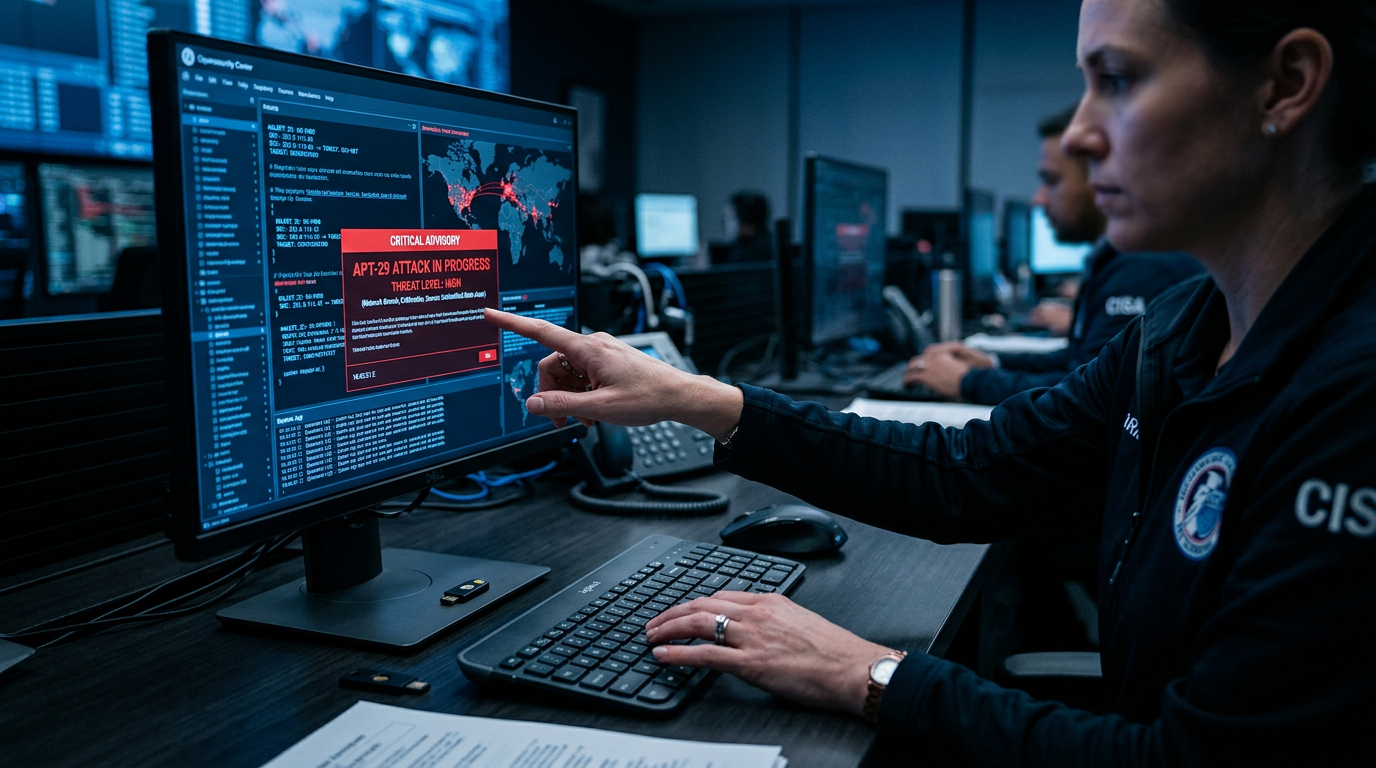
Digital infrastructure supporting nuclear command, control, and communications systems is a recognized attack surface across all nine nuclear-armed states. How exposed each state is depends on how deeply its systems are digitized and networked, but the risk is systemic. It’s not limited to any particular group of states. Understanding the broader landscape of active cybersecurity threats and how institutions respond to them provides essential context for assessing this dimension of nuclear risk.
The NPT, the TPNW, and the Limits of Disarmament Frameworks
International efforts to reduce and eliminate nuclear weapons run through overlapping frameworks with different membership, legal force, and scope. Arms control treaties, like the Nuclear Non-Proliferation Treaty, regulate and limit nuclear weapons while allowing their continued existence among recognized nuclear states. Disarmament treaties, like the Treaty on the Prohibition of Nuclear Weapons, aim at complete elimination. The two frameworks carry different legal obligations and don’t share the same signatories.
Proliferation adds another layer of strain. The risk of additional states or non-state actors acquiring nuclear weapons compounds the baseline threat and puts particular pressure on the NPT’s non-proliferation pillar. North Korea’s nuclear weapons stockpile and delivery capabilities illustrate exactly how that pressure plays out in practice, with a state that withdrew from the NPT and has continued expanding its arsenal.
Related Angles Worth Examining
Three distinct angles extend the analysis in this article. The first is nuclear arms proliferation: how the threat grows if more actors gain nuclear capability. The second is nuclear weapons consequences, meaning the physical, environmental, and humanitarian outcomes of use, which form the factual foundation for the urgency behind legal and policy frameworks. The third is the specific legal question of whether threatening to use nuclear weapons violates international law. That’s a narrower inquiry than general arms control, and it requires engaging directly with the ICJ advisory opinion’s ambiguity and separating treaty language from what the court was actually willing to conclude.
Where the Nuclear Threat Stands Today
Modernizing arsenals, deteriorating arms control agreements, and new technological vulnerabilities mean nuclear weapons risk is not a legacy concern. It’s active and evolving. This topic is most directly relevant when researching the legal status of nuclear threats under international law, analyzing how specific state actors are affecting current risk thresholds, evaluating the scope of disarmament and arms control efforts, or assessing how cyber vulnerabilities create new risk vectors across nuclear-armed states.
Legal Ambiguity, State Behavior, and Cyber Risk Require Analysis Together
The legal gaps left by the ICJ, active nuclear signaling from states like Russia, and cyber vulnerabilities that existing treaties were never built to handle aren’t separate problems. They reinforce each other. Understanding that interaction is what separates surface-level analysis from genuinely useful risk assessment. If you want to go deeper, exploring current arms control frameworks is a practical next step.