The 5G War: How Control Over Infrastructure and Standards Became a Geopolitical Battleground
The US-China rivalry over 5G comes down to two fights happening at once: who builds the physical networks, and who writes the rules those networks are built to. This article covers how both contests have played out, why each one matters on its own, and how what happens in one can cancel out or undermine progress in the other. By the end, you’ll have a clear picture of where each country stands and what’s actually at stake for global telecommunications.
Two Fronts: Infrastructure Deployment and Standards-Setting
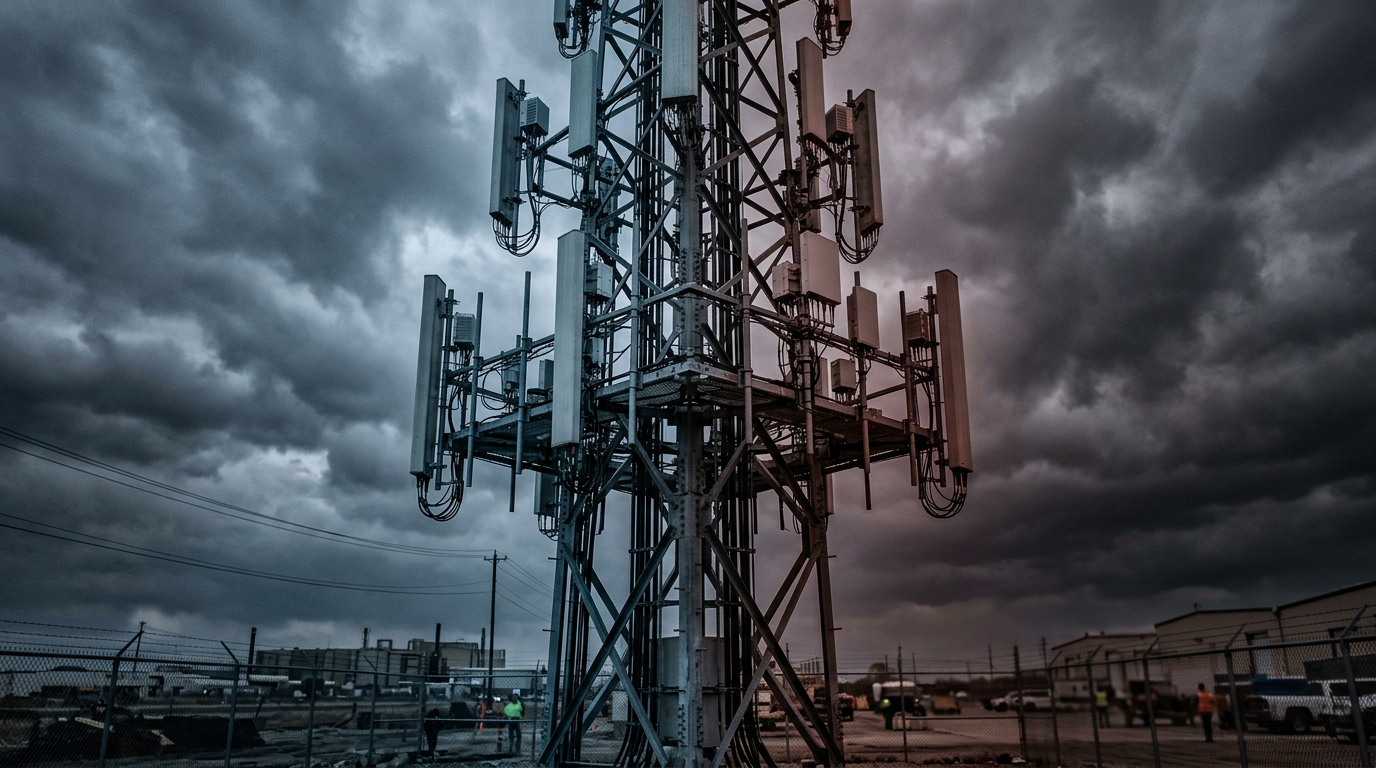
At the deployment level, the question is simple: whoever builds a country’s 5G network has physical access to it. Huawei got deep into markets across Europe, Asia, and the Global South, and that became a direct security concern for Washington. When a network runs entirely on one vendor’s equipment, that country depends on that vendor for updates, maintenance, and security patches. That gives the vendor’s home government a lasting point of influence over the host country’s communications.
The standards fight is less visible but just as consequential. Bodies like 3GPP, ITU, and IEEE set the technical specs that every vendor has to build to. Whoever shapes those specs, through patent portfolios, delegate participation, and sheer volume of proposals, gets to decide which architectures go global before a single antenna goes up. Unlike vendor choices, which governments can track and reverse, influence in standards bodies builds slowly and is very hard to challenge once it’s established.
Huawei, ZTE, and the Policy Responses They Triggered
Huawei and ZTE are the two companies at the center of this rivalry. Both are Chinese national champions with deep reach into global telecom markets. The core concern driving Western government responses is that equipment they supply could be used for state-directed access to host-country networks, whether through deliberate backdoors, maintenance access, or legal pressure under Chinese national security law. The US has responded with entity list designations, FCC exclusion orders, and sustained pressure on allied governments to remove or ban their equipment.
That pressure has produced mixed results, for a straightforward reason: Ericsson and Nokia offer Western-aligned alternatives, but neither matches Huawei on price or end-to-end capability. Choosing to exclude Huawei costs money.
This rivalry has moved well past quiet competition. The UK, Sweden, and Australia have moved to restrict or remove Huawei equipment. The US has formalized exclusions through the FCC and the Secure and Trusted Communications Networks Act. China has responded with its own push for technology self-sufficiency. These are active policy decisions with compounding consequences, not a slow-burning tension waiting to resolve itself. Understanding how China’s military-civil fusion strategy connects civilian technology firms to defense objectives helps explain why Western governments treat Huawei’s market presence as a security issue rather than a purely commercial one.
The Semiconductor and Supply Chain Dimension
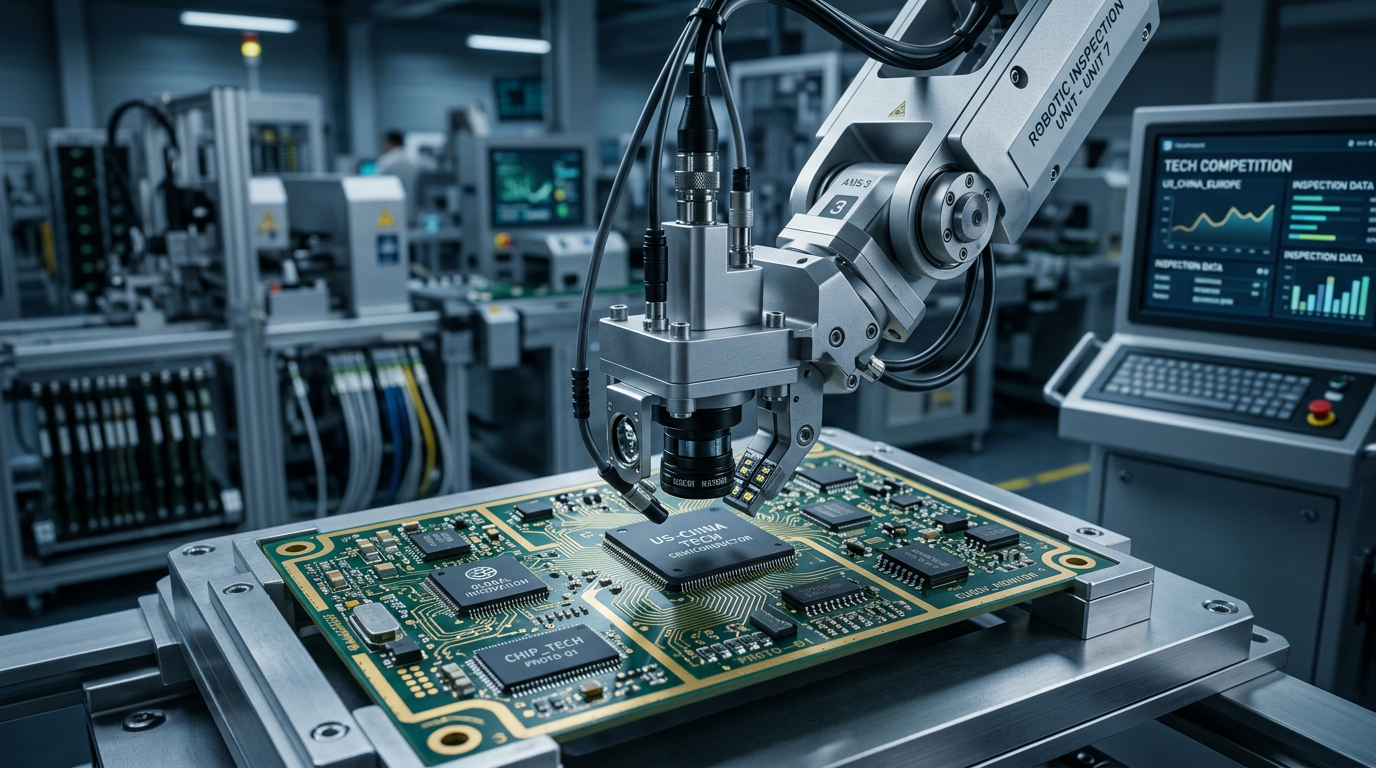
The 5G rivalry runs deeper than network deployment. Access to advanced chips determines which vendors can design and manufacture competitive 5G equipment. US export controls restricting semiconductor sales to Huawei are a direct tool in the infrastructure fight, not a separate issue. Supply chain dependency on US-aligned chip producers shapes which countries and vendors can participate in the 5G market on their own terms, which makes semiconductor policy inseparable from the broader contest.
European Strategic Autonomy Under Simultaneous Pressure
European governments aren’t simply extensions of the US position in this rivalry. They have existing economic ties to China, legacy Huawei equipment already in their networks, trade exposure that Washington’s pressure doesn’t always account for, and security commitments to NATO partners. Those competing pressures create a strategic autonomy problem that can’t be read off from what the US is doing.
The push to keep Ericsson and Nokia viable as global vendors, and to build independent regulatory frameworks, reflects European governments trying to preserve their own decision-making space rather than just falling in line with Washington. Whether that space is actually sufficient, given how fast both the deployment and standards contests are moving, is one of the questions this rivalry hasn’t settled yet. For a fuller picture of how Europe fits into the broader US-China technology competition across semiconductors, AI, and critical materials, the structural constraints on European autonomy become even clearer.
The standards fight adds another layer here. The US-China contest is bilateral, but standards bodies are multilateral arenas where neither country can simply dictate outcomes. Building coalitions among allied delegations becomes its own strategic requirement, and European participation in those coalitions is neither automatic nor unconditional.
What the 5G Rivalry Means for Vendor and Policy Decisions
This rivalry matters to anyone making or analyzing decisions about vendor selection in critical communications infrastructure, the geopolitical side of the US-China technology contest, or European positioning under simultaneous pressure from Washington and Beijing. It also matters to anyone tracking how the infrastructure and standards contests interact, because treating them as separate questions gives you an incomplete picture of how this rivalry actually works. The same logic applies to China’s IoT strategy, where state-directed deployment targets and international expansion ambitions follow a parallel playbook to what Beijing has pursued in 5G.
Infrastructure Control, Standards Leverage, and the Stakes of Getting Both Wrong
Whoever shapes 5G standards shapes the market before a single tower goes up. That’s the insight most security analyses miss by treating infrastructure and standards as separate contests. For Europe, the real risk isn’t picking the wrong vendor. It’s assuming that working with Ericsson and Nokia buys enough autonomy while that window quietly closes. If this rivalry interests you, the sharpest next thread to pull is how export controls are reshaping the semiconductor supply chain.