US-Russia Relations: From the Fall of the Soviet Union to Today
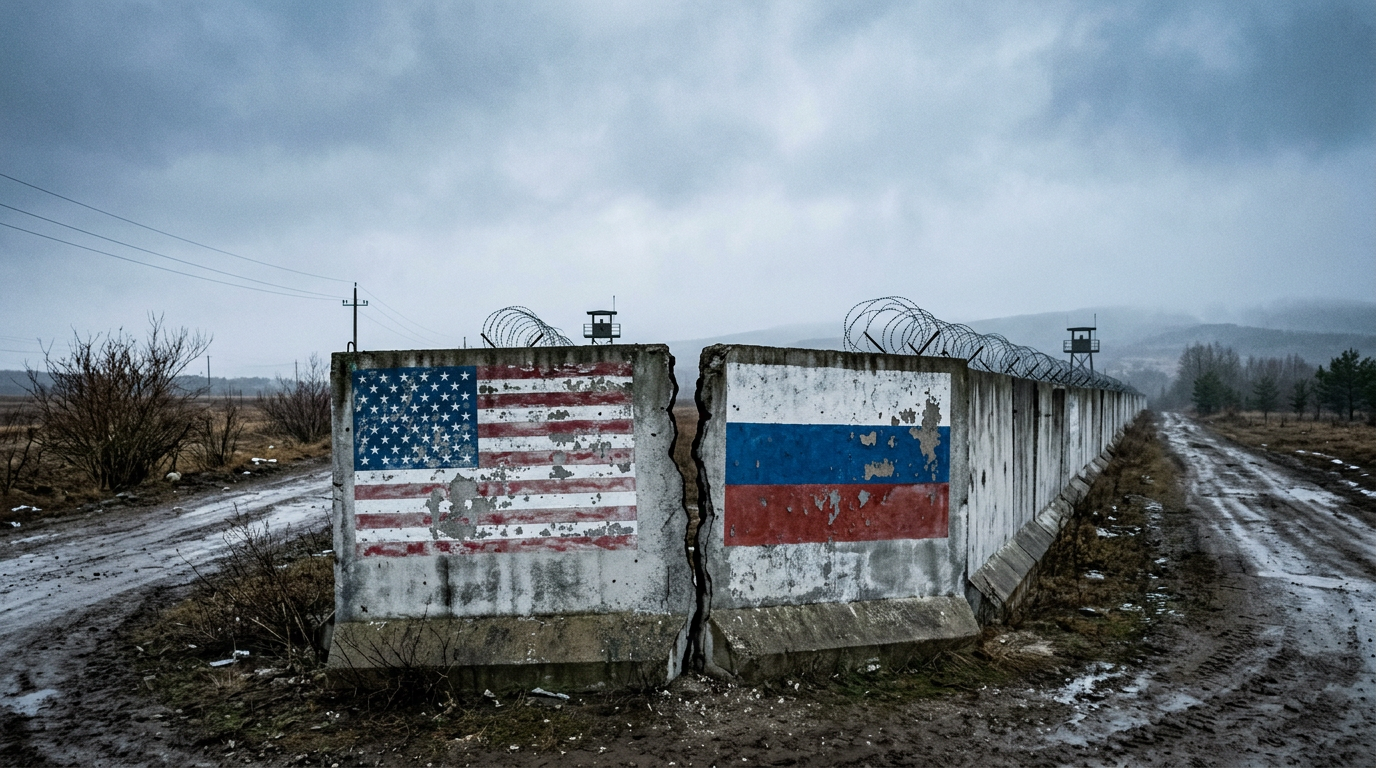
US-Russia relations have fallen apart since the post-Soviet period and are now at their lowest point since the Cold War. This page covers the structural factors behind that decline, the breakdown of key nuclear arms agreements, and the current state of US policy toward Russia. By the end, you’ll have a clearer picture of how the relationship got here and what’s standing in the way of any real improvement.
How the Relationship Developed from 1991 to the Present
When the Soviet Union collapsed in 1991, there was a genuine, if limited, opening for the two countries to work together. The early years brought arms reduction talks, economic assistance programs, and diplomatic normalization. Real cooperation happened, even if deep mistrust was still lurking underneath. That opening narrowed steadily through the 2000s as NATO’s eastward expansion became the main source of friction. Russia consistently called enlargement a direct security threat, and the alliance kept growing through successive rounds in 1999, 2004, and beyond. That became the central grievance driving the relationship downward.
The 2008 Russo-Georgian War was the first clear break. The 2014 annexation of Crimea and the conflict in eastern Ukraine made things much worse, triggering US and EU sanctions and effectively ending the post-Cold War cooperative framework. Russia’s full-scale invasion of Ukraine in February 2022 finished off what was left. Each of these events made the previous damage worse, so the deterioration built on itself rather than stemming from any single moment or administration.
Why NATO Expansion, Nuclear Agreements, and the Ukraine War Are the Structural Drivers
The historical timeline alone doesn’t explain why the relationship is so hard to repair. For that, you have to look at the underlying drivers separately.
NATO expansion is at the center of it. Russia’s opposition wasn’t incidental. It was consistent and explicit across administrations and decades. As the alliance kept growing, what started as a diplomatic grievance turned into a deep structural antagonism.
Nuclear arms control made things worse. Through the 1990s and 2000s, active bilateral agreements like START I and New START gave both countries a framework for managed competition, even when the broader relationship was strained. That framework is now gone. The US withdrew from the INF Treaty in 2019, and Russia suspended New START in 2023. What replaced managed competition is unstructured nuclear risk, with no formal guardrails in place. To understand the full scope of what’s at stake, exploring the legal status and global risk of nuclear weapons and arms control frameworks provides essential context for how this unraveling shapes today’s geopolitical situation.
The war in Ukraine is both a product of those accumulated grievances and an ongoing driver of new ones. It now shapes every other dimension of the relationship: sanctions, diplomatic contact, and the posture of the US government itself.
The Current State: Sanctions, Ukraine, and the Trump Administration’s Posture
As of 2024-2025, three conditions are defining the relationship at the same time. First, a broad Western sanctions architecture is targeting the Russian economy, energy sector, and financial system. Second, the war in Ukraine continues as the central flashpoint, with the US providing direct military and financial support to Kyiv. Third, the Trump administration has introduced a meaningful shift in US policy, signaling openness to direct engagement with Moscow and pushing Ukraine toward a negotiated settlement.
That third condition is a real departure from the approach held by both Republican and Democratic administrations since 2014, which maintained the sanctions architecture and treated sustained opposition to Russia’s war as a core commitment. Diplomatic relations remain severely degraded, with no functional bilateral framework currently in place.
How Current Tensions Compare to the Cold War
Current US-Russia tensions are often called a “new Cold War,” but the dynamics are different in important ways. The original Cold War was built around ideological competition between capitalism and communism, direct military deterrence, and a recognized two-superpower world order. Today’s rivalry has none of that ideological dimension. It plays out through sanctions, economic decoupling, and proxy conflict in Ukraine rather than a direct superpower standoff. For a deeper look at how strategists have historically aligned long-term goals with limited resources across these kinds of rivalries, the history of grand strategy from containment to the late Soviet period offers a useful analytical framework.
What has carried over is the nuclear dimension and the zero-sum logic over European security, particularly around NATO’s role. Those are the closest parallels to the Cold War era. But the current period isn’t a continuation of Cold War dynamics. It’s a distinct situation that carries some of the same stakes without the same rules of engagement.
What the 1991–2025 Arc Tells Us About Where the Relationship Stands
The slide from the post-Soviet opening to today’s breakdown was cumulative. It was driven by NATO expansion, the sequential collapse of nuclear arms agreements, and the war in Ukraine as both a product and a perpetuator of the underlying conflict. The Trump administration’s shift in posture adds a new variable: direct engagement with Moscow and pressure on Ukraine toward negotiation, which breaks from the sustained opposition framework that defined US policy since 2014. To understand where the relationship goes from here, the most useful starting point is figuring out which of these structural drivers can actually be negotiated and which ones can’t.
Frequently Asked Questions About US-Russia Relations
Are US-Russia relations today worse than during the Cold War?
The current relationship is at its lowest functional point since the Cold War. Diplomatic channels are largely severed, a full-scale war is happening in Europe, and there’s no active bilateral arms control framework. But the dynamics are different in kind, not just in degree. The Cold War ran on direct military deterrence and ideological competition within a recognized two-superpower structure. Today’s breakdown is driven by sanctions, proxy conflict, and economic decoupling, without the stabilizing rules of engagement that governed the Soviet-era rivalry.
What caused the breakdown in US-Russia relations after the post-Soviet period?
The most decisive factors were NATO’s eastward expansion, which Russia consistently called a direct security threat; the 2014 annexation of Crimea and the conflict in eastern Ukraine, which triggered the sanctions architecture and ended the post-Cold War cooperative framework; and the full-scale invasion of Ukraine in 2022, which severed what remained of bilateral diplomatic and institutional ties. These were compounding ruptures, not a single cause.
How does the Trump administration’s posture toward Russia differ from prior US policy?
Prior administrations maintained the sanctions architecture and treated sustained opposition to Russia’s war in Ukraine as a core policy commitment. The Trump administration has signaled openness to direct engagement with Moscow and has pushed Ukraine to accept a negotiated settlement. That’s a meaningful departure from the posture held by both Republican and Democratic administrations since 2014.
What role do nuclear arms agreements play in the current US-Russia relationship?
With both the INF Treaty and New START now gone, the bilateral relationship has lost its last formal tools for managing nuclear risk, and nothing has replaced them. That’s not just a diplomatic gap; it’s a structural one. The situation is further complicated by other nuclear actors in the region — understanding North Korea’s nuclear weapons stockpile and delivery capabilities illustrates how the collapse of bilateral arms control creates ripple effects across the broader global security environment.