Solar Flare Electromagnetic Pulse: How Solar Storms and EMPs Threaten Critical Infrastructure
A solar flare electromagnetic pulse is a burst of electromagnetic energy released during a solar storm that can disrupt or destroy electrical and electronic systems across a huge area. This page covers how solar flare EMPs work, how they compare to man-made EMP events, and what kinds of infrastructure are most at risk. It also covers the hardening measures and protective strategies used to reduce that risk. By the end, you’ll have a solid enough understanding of both the threat and the available responses to make smart decisions about protection planning.
How Solar Storms and EMPs Damage Critical Infrastructure
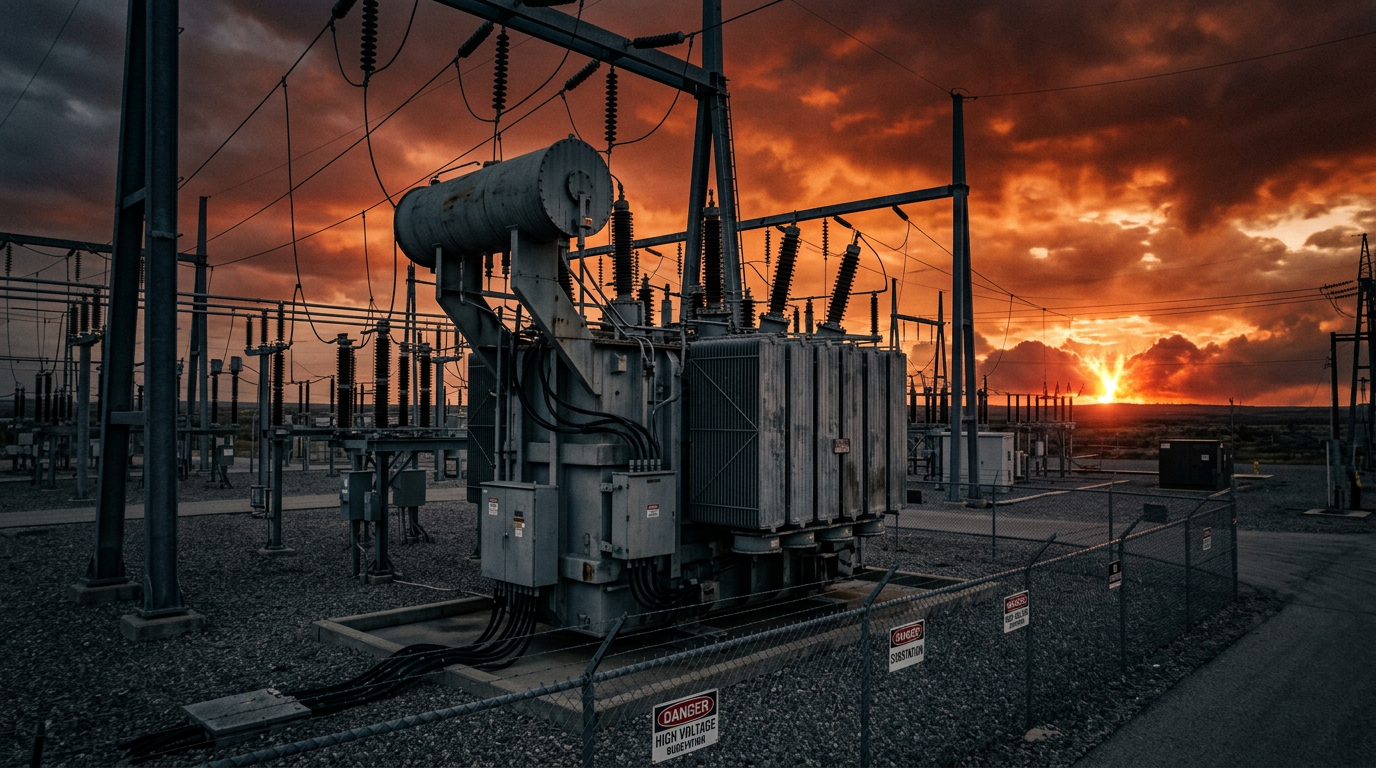
The electrical grid is the highest-stakes target under both threat types. Solar coronal mass ejections (CMEs) drive geomagnetically induced currents (GICs) through long transmission lines, overloading transformers and triggering cascading failures across wide geographic areas. A man-made EMP, generated by a nuclear device detonated at altitude, produces an E1/E2/E3 pulse sequence that can simultaneously disable electronics, damage grid infrastructure, and knock out communications across a continental-scale footprint.
Communications infrastructure is exposed from both directions. Satellite systems, radio networks, and ground-based telecommunications are all vulnerable to solar storm-induced ionospheric disruption, as well as the conducted and radiated effects of a man-made EMP. Transportation systems face the same problem: modern vehicles, aviation avionics, and rail control systems rely on embedded electronics that are susceptible to EMP-induced surges and solar storm interference with GPS signals.
Data centers have a different risk profile. Unshielded server hardware and power supply systems can be damaged by EMP-induced surges, and facilities without hardened power conditioning or shielded enclosures are high-loss targets under either threat type. But unlike large power transformers, which have long lead times and limited global supply, data center hardware is more replaceable. That makes pre-positioned spare equipment a realistic recovery strategy. For a broader look at how state-level actors exploit vulnerabilities in critical infrastructure networks, the analysis of active cybersecurity threats targeting national infrastructure covers the techniques and institutional responses in detail.
Faraday Shielding, Surge Protection, and GIC Mitigation as the Core Hardening Stack
Protection against both threats draws from the same core set of methods, applied at different scales. Faraday shielding, which means enclosing sensitive electronics in conductive cages, blocks radiated EMP fields. It works well for protecting spare components, communications equipment, and backup control systems. Surge protection, including transient voltage surge suppressors and neutral blocking devices on transformers, reduces the risk of transformer burnout from both solar storm-induced GICs and EMP E3 effects.
These broad-spectrum measures aren’t the same thing as grid-specific hardening. GIC monitoring systems and neutral blocking devices address the highest-consequence single failure point in the infrastructure stack and should come first when resources are limited. Surge protection and Faraday shielding reduce exposure across infrastructure types, but they don’t substitute for grid-level measures.
Space weather monitoring adds something that man-made EMP threats can’t offer. NOAA’s Space Weather Prediction Center tracks solar activity cycles and issues CME alerts, giving grid operators a narrow but usable window to reduce load and isolate high-value assets before a storm hits. Solar maximum periods, which occur roughly every 11 years, increase the frequency and intensity of CMEs. Infrastructure operators use cycle forecasts to time hardening investments and readiness exercises.
Predictability, Recoverability, and How They Shape Protection Strategy
The most important difference between solar storms and man-made EMPs isn’t origin. It’s predictability. Solar storms come with a warning window that makes reactive measures possible: load shedding, equipment isolation, operational adjustments. Man-made high-altitude EMP attacks give no such warning, which means passive, pre-installed protections have to carry the full burden. That difference determines whether early-warning-based mitigation is a viable part of the response, or whether hardening alone has to do the job. Understanding the full strategic context of nuclear weapons — including how high-altitude detonations fit into broader deterrence doctrine — is covered in this analysis of nuclear weapons risk, legal status, and arms control frameworks.
Recoverability shapes planning in a different way. Grid damage from GICs or EMP E3 effects can last a long time because large power transformers have limited global supply and long manufacturing lead times. Data center hardware is vulnerable too, but it’s more suited to spare equipment strategies. Planning that treats these two infrastructure categories as equivalent in recovery timeline will put resources in the wrong places.
Protection Approaches by Threat Context and Reader
The right hardening approach depends on context. Infrastructure operators protecting against solar storms should focus on GIC mitigation: neutral blocking devices on transformers, surge suppression on transmission systems, and folding NOAA space weather alerts into grid operations protocols. These measures allow for reactive responses during the warning window, something man-made EMP hardening can’t rely on.
For individuals, the practical focus is narrower. Consumer electronics face lower direct risk than grid infrastructure during a solar storm, but a severe CME that collapses grid power creates secondary risk through surges and outages. Surge protection is the higher-priority measure for most individuals. Faraday enclosures are useful for storing backup devices.
Solar energy systems need a specific clarification: the photovoltaic panels themselves are relatively resistant to EMP and solar storm effects. The real vulnerability is in the connected electronics, specifically inverters, charge controllers, and monitoring systems, which are susceptible to conducted surges and EMP-induced damage. Protecting a solar energy system means hardening or storing spares of those components. The same logic of identifying the weakest link in a technology stack applies to how China’s IoT infrastructure strategy creates concentrated points of failure and dependency across connected device networks.
Prioritizing Grid-Level Hardening Before the Next Solar Maximum
Transformers are the bottleneck. They take years to replace and can’t be reactively protected during an EMP. That asymmetry is what makes passive hardening non-negotiable. Solar storms offer a narrow warning window; man-made EMPs offer none. If you’re responsible for grid infrastructure, auditing GIC exposure and folding NOAA alerts into operations protocols is the logical place to start before the next solar maximum arrives.