How AI-Generated Evidence and Deepfakes Are Undermining Digital Forensics and Court Proceedings
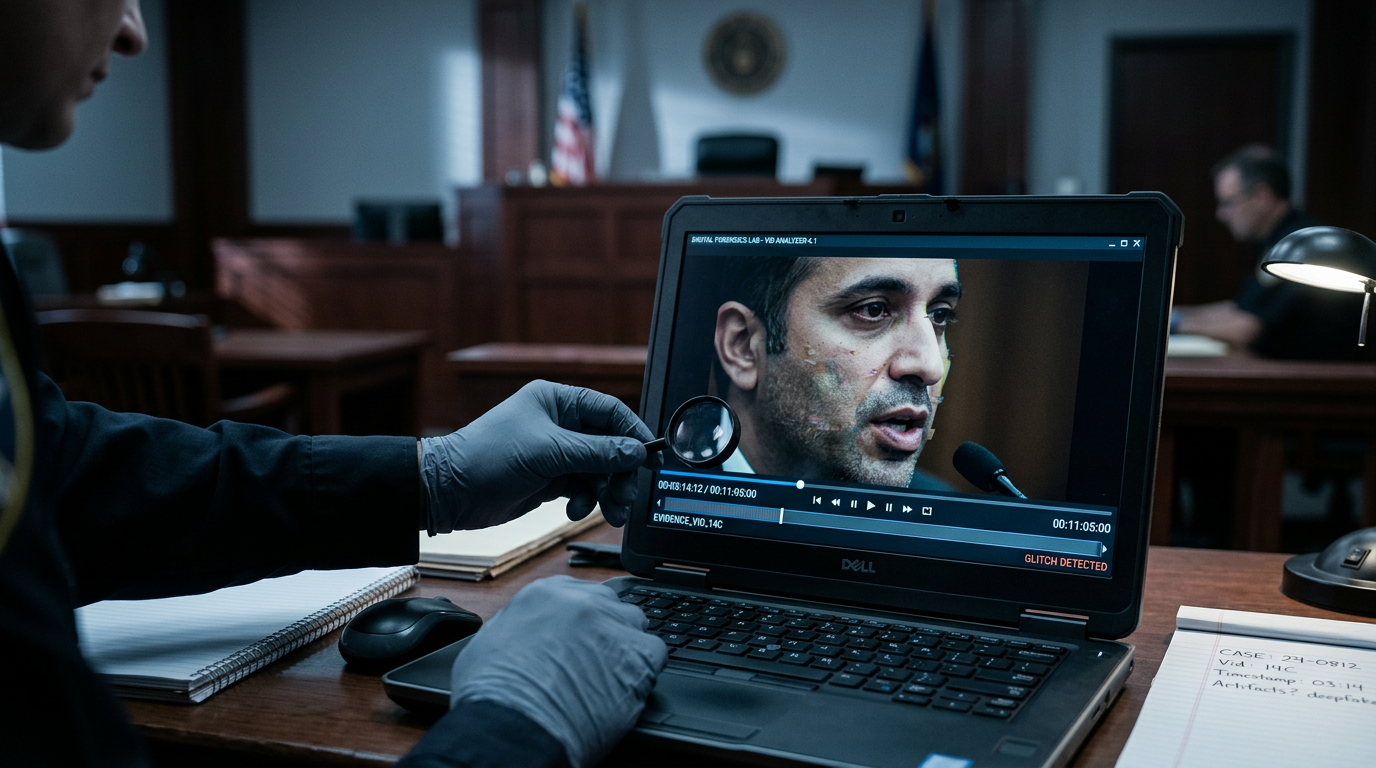
Deepfake evidence is becoming a serious problem in legal and investigative settings, where AI-generated media can be nearly impossible to tell apart from real recordings. This page covers how deepfakes affect the reliability of digital evidence, where legal and forensic systems are falling short, and how courts and investigators are responding. You’ll come away with a clear picture of the practical and procedural problems deepfake evidence creates — and what those problems mean for criminal cases, civil litigation, and corporate investigations.
Five Failure Points Driving the Authenticity Crisis
The threat works through five interconnected breakdowns, each one making the others worse.
Authentication and chain of custody failures are the most foundational. AI-generated or synthetically altered media breaks the requirement that digital evidence be traceable from origin to courtroom. Existing authentication standards weren’t built to handle content fabricated at the pixel or waveform level, so forensic examiners have no reliable baseline for establishing where evidence came from.
The Liar’s Dividend compounds this by turning public awareness of deepfakes into a weapon. Bad actors can discredit genuine evidence simply by raising the possibility of manipulation, without needing to prove it. In criminal proceedings, this can introduce reasonable doubt about authentic evidence. In civil litigation, it can delay or derail a case even when no manipulation has occurred.
Detection technology limitations mean there’s no reliable technical safety net. Current AI detection tools produce probabilistic outputs, not definitive verdicts, and their accuracy drops as generative models improve. No standardized, jurisdiction-wide framework exists for deciding which detection methods meet evidentiary reliability thresholds.
Evidentiary rule gaps leave courts without adequate procedural tools. Rules governing digital evidence admission, including Federal Rules of Evidence 901 and 902 in the US, were written before synthetic media was a practical threat. Proposed amendments addressing source certification and AI-specific authentication requirements remain inconsistent across jurisdictions and largely unadopted.
Institutional trust erosion is the downstream consequence. When courts can’t reliably authenticate digital evidence, and when that failure becomes publicly visible, confidence in judicial outcomes and investigative institutions degrades across criminal convictions, civil judgments, and law enforcement forensic conclusions alike.
Why This Is an Authenticity Crisis, Not a Technology Problem
The same structural failures show up across every affected sector. Criminal courts, civil litigation venues, and corporate investigative units are all dealing with identical breakdowns in authentication standards, chain of custody integrity, and detection reliability. A forensic professional, a litigator, and a law enforcement investigator face the same underlying problem, even if the procedural stakes differ.
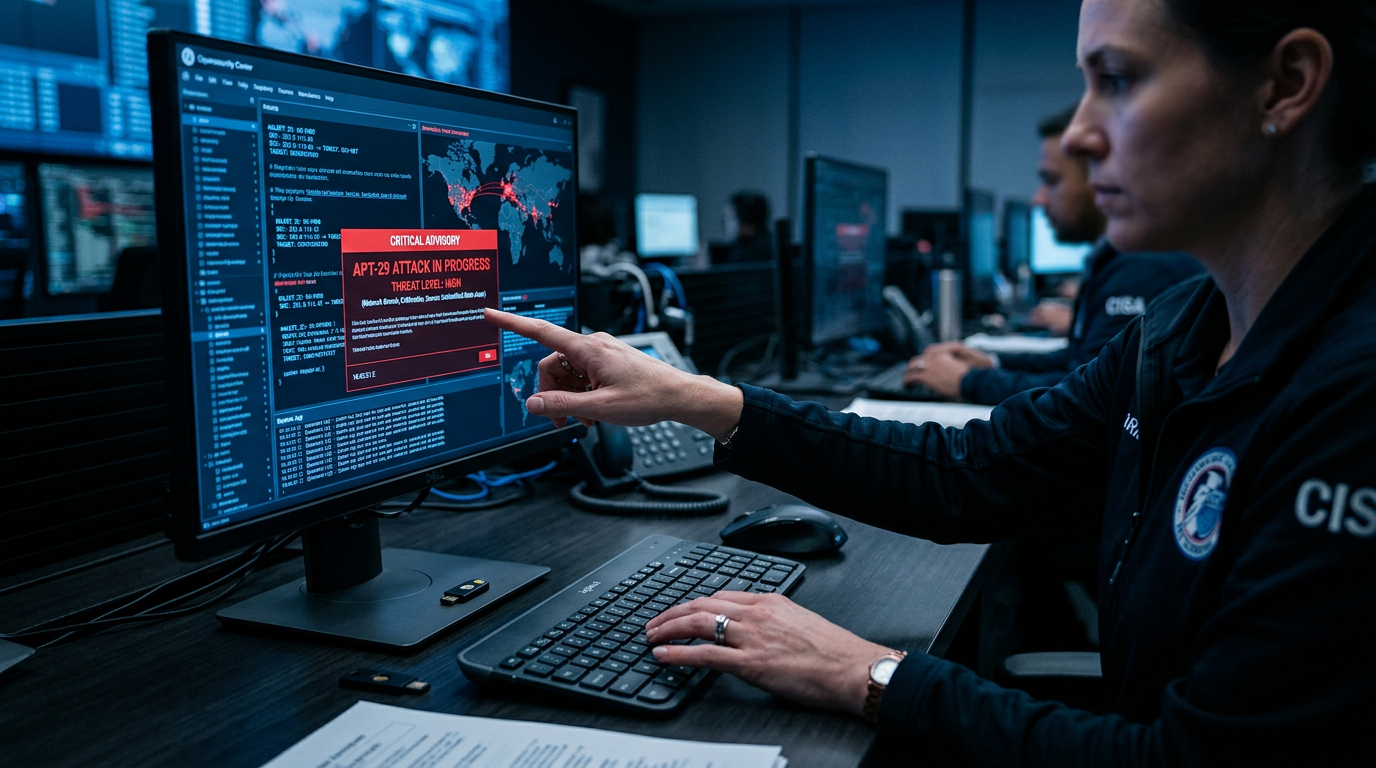
Framing this as an authenticity crisis, rather than a detection arms race, is the right way to look at it. The real solutions are evidentiary rule reforms and chain of custody frameworks, not better detection software alone. Treating it as a technology problem just delays the institutional reforms that are actually needed. Understanding how active cyber threats intersect with national security institutions helps clarify why these authentication failures carry consequences well beyond individual court cases.
How Burden of Proof, Detection Access, Source Certification, and Evidence Type Shape Exposure
How severely AI-generated evidence threatens a given proceeding depends on four variables.
The burden of proof standard is the most consequential. The criminal “beyond reasonable doubt” threshold makes deepfake-induced uncertainty operationally dangerous in ways that civil proceedings are not. The same deepfake challenge that collapses a criminal prosecution may have limited effect in a civil dispute where the overall evidentiary weight still favors one party under a preponderance standard.
Access to detection technology creates a two-tier system. Well-resourced federal agencies and large forensic services firms have access to current-generation detection tools. State courts, public defenders, and smaller law enforcement agencies often do not. How severely deepfake evidence threatens a proceeding is partly a function of institutional budget, not just the sophistication of the manipulation.
Whether source certification frameworks are in place determines whether authentication disputes have a procedural anchor. Where provenance documentation, such as cryptographic signing, metadata chain of custody, or content credentials, is required at the point of evidence submission, the authentication burden becomes manageable. Where no such framework exists, disputes default to competing expert testimony with no binding resolution mechanism.
Evidence type also matters. Video deepfakes attract the most forensic scrutiny and have the most developed detection tooling, limited as it is. AI-generated audio and synthetically altered documents face less mature detection infrastructure and fewer established evidentiary standards, making them comparatively harder to challenge once admitted.
How the Deepfake Evidence Problem Shifts Across Criminal, Civil, and Corporate Contexts
Criminal Proceedings
In criminal cases, deepfake-altered video or audio triggers authentication challenges under rules requiring the proponent to show the evidence is what it claims to be, a standard that existing forensic tools can’t always satisfy conclusively. The stakes are highest here. A wrongful conviction or wrongful acquittal resulting from undetected manipulation, or from the false rejection of genuine evidence, represents an irreversible failure. Chain of custody requirements are the primary procedural defense, but they were designed for physical evidence and don’t natively account for AI-generated content that may have no traceable origin point.
Civil Litigation
Civil proceedings operate under a lower burden of proof, which cuts in two directions. Deepfake evidence may be harder to exclude once admitted because the threshold for relevance and sufficiency is lower. But a deepfake challenge also requires less evidentiary weight to be effective. Proposed evidentiary rule amendments targeting source certification and AI-specific authentication are most actively discussed in civil contexts, where the volume of digital evidence in discovery is highest. Adoption remains inconsistent, and most civil practitioners are currently operating without a reliable procedural framework for contesting or defending AI-suspected media.
Corporate and Law Enforcement Investigative Contexts
Internal investigations and pre-trial law enforcement forensic work face the Liar’s Dividend before any courtroom proceeding begins. A subject under investigation can preemptively claim that incriminating digital evidence is a deepfake, forcing investigators to spend resources authenticating genuine material rather than advancing the investigation. The same structural vulnerability that makes ransomware a durable criminal business model — exploiting institutional gaps and resource asymmetries — applies here: well-resourced adversaries can weaponize authentication uncertainty against under-resourced investigators. Rigorous chain of custody documentation, including timestamped collection logs, hash verification, and unbroken handling records, is the primary defense against this tactic. It establishes a provenance record that makes manipulation claims harder to sustain when evidence eventually reaches a proceeding.
Who This Analysis Applies To
This analysis applies directly to courts evaluating whether digital video or audio meets authentication standards when AI manipulation is alleged; to law enforcement and forensic professionals establishing and defending chain of custody for digital media; to legal practitioners advising clients on how burden-of-proof thresholds interact with deepfake challenges raised by opposing counsel; and to forensic services firms and investigators applying detection technology to determine whether submitted evidence has been synthetically altered before or during litigation.
The Procedural Reforms That Can Stabilize Digital Evidence Authentication
The most actionable fix isn’t waiting for better detection technology. It’s requiring provenance documentation, cryptographic signing, and content credentials at the point of submission, which shifts the authentication burden procedurally. Forensic professionals who establish chain of custody before any manipulation claim arises hold the strongest position. If you’re navigating these standards in practice, looking into current certification frameworks is a logical next step.